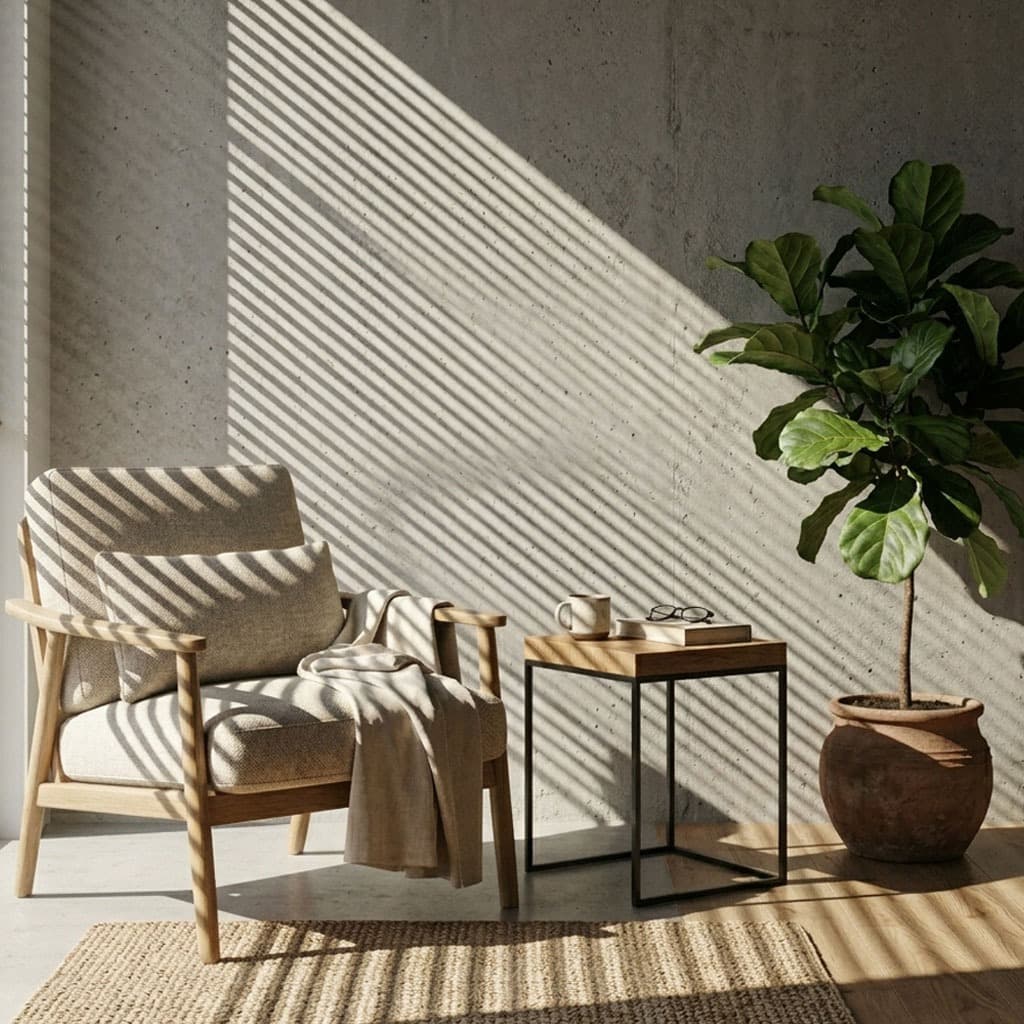
What is a gobo? Simply put, a gobo "goes before optics"—it is a stencil or template placed in front of a light source to project a pattern or shadow into your scene. Whether you are aiming for dappled forest light, a dramatic window slash across a character's face, or intricate sci-fi patterns, gobos are the secret weapon for cinematic 3D lighting.
The Origin of Gobos
The concept of gobos originated from theatrical lighting. Lighting directors used stencils, placing them over lights to cast shadows of trees, city skylines, or abstract shapes onto backdrops.
In the digital realm, a gobo is much more flexible. 3D artists use high-resolution grayscale textures (usually PNG or EXR formats) plugged directly into their digital light sources. The render engine interprets the black pixels as opaque, blocking the light, and the white pixels as transparent, allowing the light to pass through.

Why Gobos Add Photorealism Cheaply
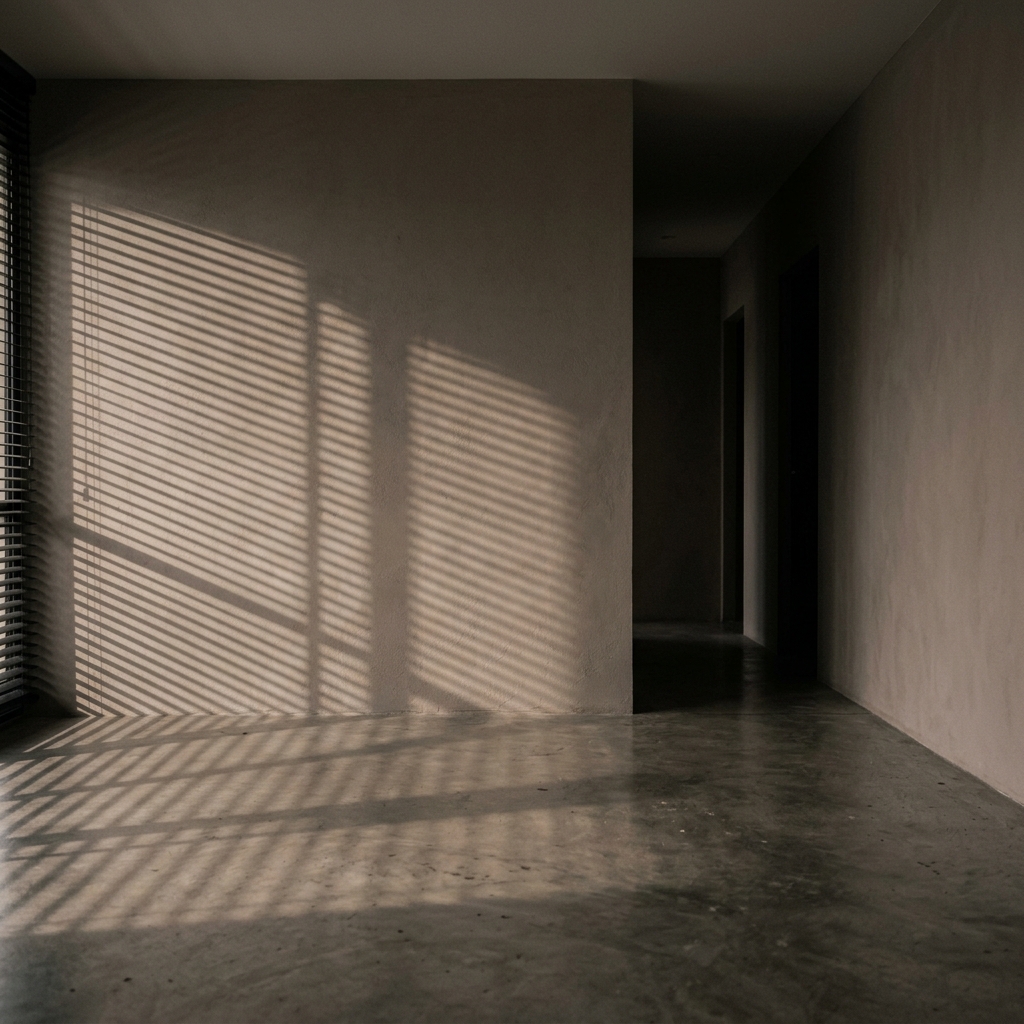
One of the biggest mistakes beginners make in 3D is relying on flat, even lighting. In cinematic lighting, light is constantly obstructed, bounced, and filtered by the environment. Gobos simulate this environmental interference perfectly.
The greatest advantage of gobos is performance. If you want the shadow of a tree in your architectural interior render, you could download a high-poly 3D tree model, place it outside the window, and let the render engine calculate millions of raytraced bounce calculations. Or, you could simply place a high-resolution gobo texture on your sunlight. The visual result is identical, but the gobo renders instantly because it requires zero extra geometry.
To make gobo shadows softer and more realistic, increase the size (radius or angle) of your light source. A point-sized light creates harsh, razor-sharp shadows, while a larger light source creates beautiful, diffused penumbras.
Digital Materials
While traditional gobos were limited by the constraints of metal and glass, digital textures can be anything. You can use images of organic foliage, mathematically generated noise patterns, or even animated video sequences to simulate moving clouds or water caustics.
Get Started with GoboVault
Ready to elevate your lighting? The GoboVault free tier gives you instant access to 25 production-grade gobos—with the exact same resolution and metadata as our premium assets. There is no credit card required, just pure cinematic lighting at your fingertips.